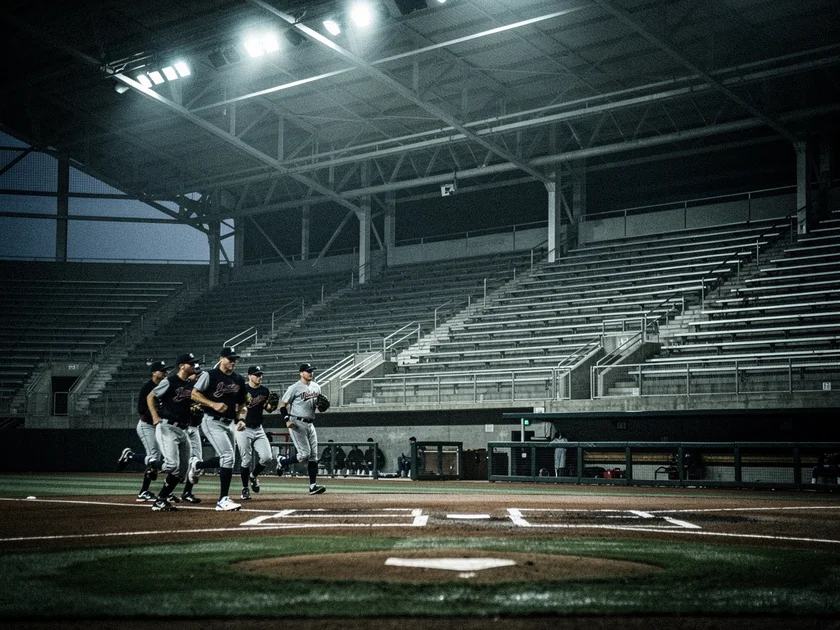
The New York Yankees lost 3-0 to the Washington Nationals on Saturday, March 7, 2026, at CACTI Park of the Palm Beaches in a Grapefruit League contest. The Bombers managed just four hits on the night, and a first-inning pickoff play set the tone early for Washington’s defense.
Spring Training results carry limited weight in the standings, but they do offer a live look at roster construction, pitch mix, and player health. For a Yankees club that entered 2026 with postseason ambitions, the shutdown performance by Nationals pitching gives the analytics staff some early data to process — even if the sample size stays thin.
Breaking down the advanced metrics from one spring start is inherently limited, but the numbers from Saturday reveal a pattern worth tracking: New York’s lineup generated almost no hard contact against Washington’s staff. The Yankees left seven men on base, a sign that plate discipline and situational hitting need attention before the regular season opens.
How Did the Nationals Beat the New York Yankees on March 7?
Washington beat the Yankees by controlling the strike zone from the first pitch. The Nationals scored three runs on four hits, stole a base, and committed zero errors while stranding seven baserunners of their own. A first-inning pickoff play ignited Washington’s energy early and kept New York‘s offense off-balance for the rest of the night.
The Nationals put up a clean defensive performance. Zero errors in a spring game signals focus and execution, two qualities that translate directly to regular-season success. Washington’s pitching staff held the Yankees to a single run-scoring opportunity across the full game, keeping New York’s lineup quiet from first pitch to last out.
From a run-prevention standpoint, the Nationals’ pitching corps looked sharp. The box score shows four hits allowed and six total bases surrendered. That kind of contact suppression — limiting extra-base damage — is exactly what pitching coaches want to see in early March, when starters and relievers are still building arm strength and refining their pitch sequencing.
Will Warren’s Spring Performance for the Yankees
Read more: Oakland Athletics’ Jeffrey Springs Fans Four
Will Warren delivered a strong outing for New York despite the loss. Warren posted two hits allowed, zero earned runs, and three strikeouts in his spring start, continuing what the MLB.com game wrap described as a “solid spring” for the right-hander. His ability to miss bats while keeping the ball in the yard is a positive early indicator for his ERA+ trajectory heading into the regular season.
Tracking this trend over multiple spring starts, Warren has shown a repeatable delivery and the kind of swing-and-miss stuff that holds up against analytics-literate lineups. Three strikeouts in a spring outing might not move the needle for FIP projections, but the zero earned runs and limited hard contact suggest his spin rate and command are both in good shape.
The numbers suggest Warren could push for a rotation spot or a high-leverage bullpen role if he sustains this level. Based on available data from this start — two hits, no earned runs, three punchouts — the Yankees have reason to feel good about what Warren brings to their pitching staff in 2026. One counterargument: spring opponents often feature non-roster invitees and minor leaguers, so the strikeout totals carry less weight than identical numbers posted in April.
Key Developments from Yankees vs. Nationals, March 7
- The Nationals scored three runs on four hits with zero errors committed during their 3-0 victory at CACTI Park of the Palm Beaches.
- Washington stole one base and left seven runners on base, showing both aggression and some missed opportunities on the basepaths.
- Will Warren struck out three batters while allowing two hits and zero earned runs in his spring start for New York.
- A first-inning pickoff play by the Nationals sparked their defense early and shifted momentum away from the Yankees.
- The Yankees’ lineup finished with four hits total and six total bases across the entire game.
What Does This Loss Mean for New York Yankees Spring Training Camp?
Read more: MLB Coaching Changes Shape Spring Training
One spring loss means almost nothing in the standings, but the process details matter for roster decisions. The Yankees’ front office and coaching staff use these games to evaluate depth options, arm slots, and lineup construction against live pitching. A 3-0 shutout loss highlights two areas — run production and situational hitting — that the organization will want to address before Opening Day.
New York’s spring training roster typically includes veterans competing for bench spots alongside prospects fighting for their first MLB roster opportunity. The salary cap implications of carrying an extra reliever versus a utility bat get sorted out during these weeks. Every at-bat, every inning pitched, and every defensive alignment feeds the decision-making process that shapes the 26-man Opening Day roster.
The Yankees’ draft strategy analysis and offseason acquisitions also get stress-tested during spring games. If a player signed to a new contract struggles to make contact against mid-tier spring pitching, that data point enters the conversation. For New York, a franchise with World Series expectations built into every season, the margin for error in roster construction is slim, and March is when the front office narrows those decisions down.
Warren’s continued development stands as the clearest positive from Saturday’s game. A young starter who keeps the ball in the yard and misses bats in spring gives the Yankees a viable option whether they deploy him in the rotation or as a multi-inning arm out of the bullpen. His zone rate and chase rate numbers from this start — while not yet publicly detailed — will be worth monitoring as the spring schedule advances toward late March.